

By Mitchell Njeri | Project Manager
Five days. That’s how long we had to take a knowledge hub from “wouldn’t it be nice if…” to something people could actually use. I won’t pretend I wasn’t a little nervous going in — ten people, one impossible-feeling deadline, and a lot riding on us figuring it out together.
Here’s the thing nobody tells you about fast timelines: the hard part usually isn’t the building. It’s getting everyone rowing in the same direction before you’ve even picked up an oar.
Because when a deadline is tight, it’s tempting to just skip straight to “let’s start.” We learned pretty quickly that doesn’t actually save time. It just moves the confusion to later in the week, when it’s a lot more expensive to fix.
Alignment as the foundation
Day one was rough, if I’m honest. The requirements existed, but they basically lived in one person’s head. So instead of building, we spent a big chunk of our first day just… catching everyone up. Briefing people. Re-explaining scope. Making sure nobody was quietly confused and too polite to say so.
At the time, it felt like we were losing hours we couldn’t afford to lose.
Looking back, it was the best thing that could’ve happened to the project. Once everyone actually understood what we were building and why, the rest of the week moved with an ease that no amount of “let’s just start coding” could’ve bought us.
Speed without shared understanding isn’t really speed. It’s just delay, dressed up to look productive.
Five disciplines, one team
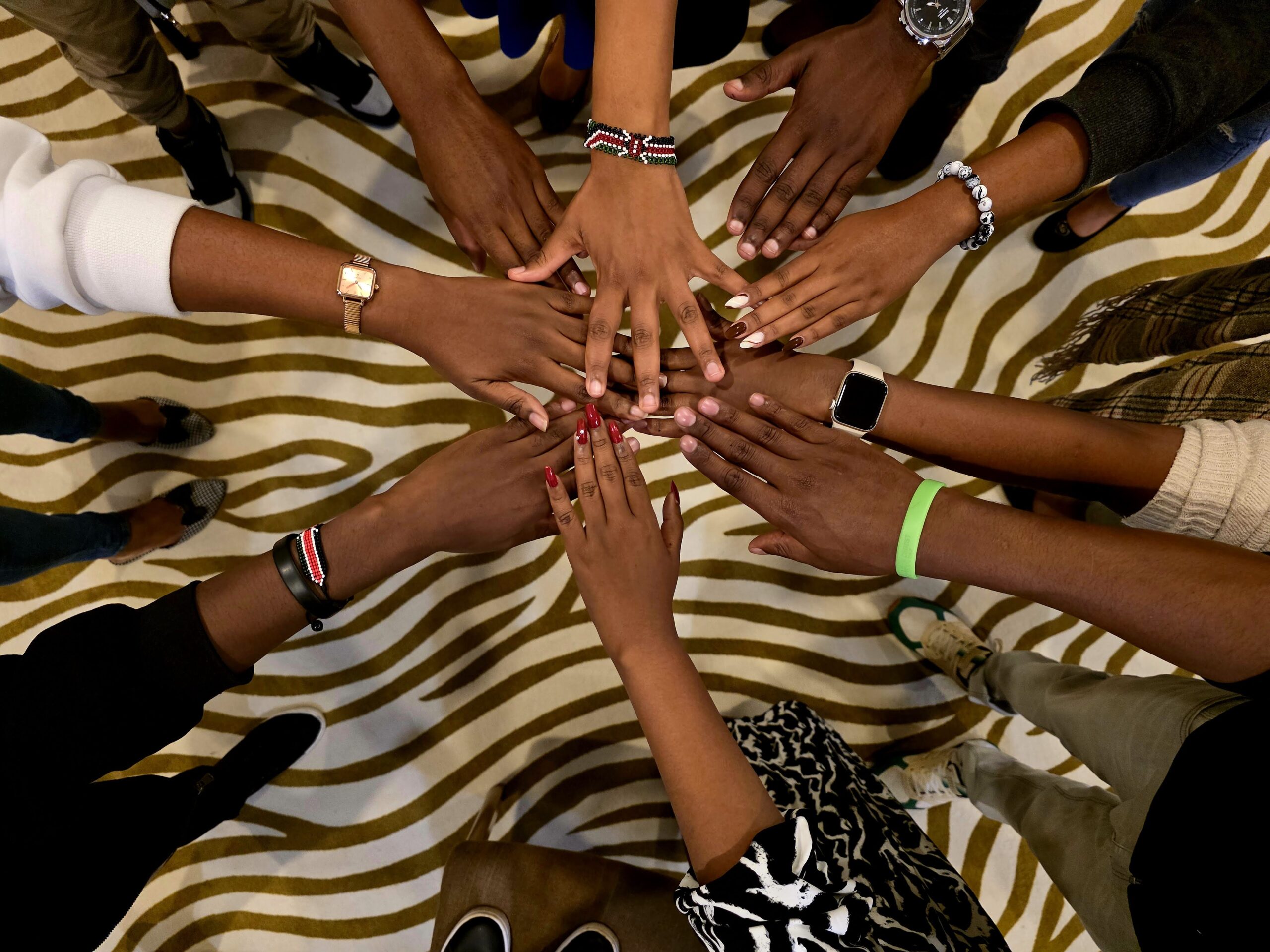
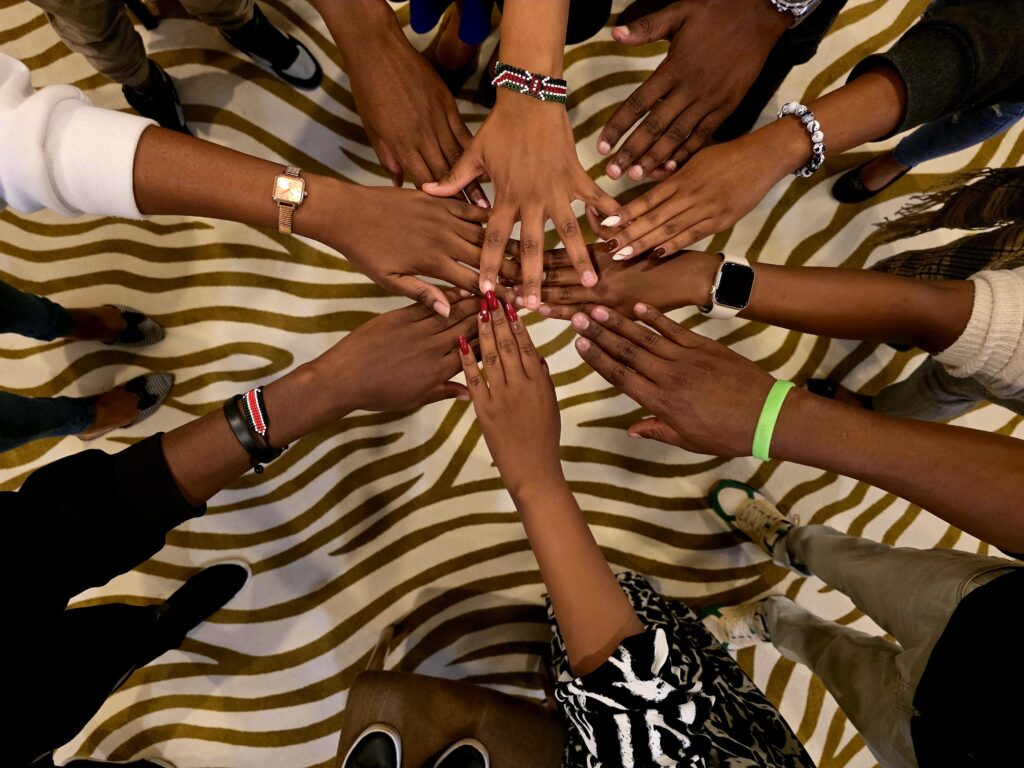
Once we found our footing, something clicked. Five developers, two project managers, three client support folks and somehow we stopped feeling like three separate groups and started feeling like one team with different skill sets.
The devs lived in GitHub, pushing code, reviewing each other’s work, untangling problems together instead of quietly struggling alone. The client support team kept pulling us back to reality whenever we got too deep into the technical weeds, reminding us who this was actually for. And honestly, watching people lean on each other’s strengths instead of staying in their own lane was one of my favorite parts of the week.
A few things that stuck with me from that stretch:
- We shipped a working knowledge hub in five working days — designed, built, and live
- Ten people who started the week as three separate functions ended it feeling like one team
- We checked in daily, not just to report status, but to actually ask how people were doing
- We made time to reflect during the project, not just after, which meant we could act on what we noticed while it still mattered
A model worth repeating
None of this came down to one clever technical decision. It came down to choosing, on purpose, to align early, lean on each other constantly, and treat disagreements as useful instead of annoying.
There were moments the team didn’t agree on the right technical approach. We could’ve just picked one and moved on to save time. Instead, we actually talked it through, because getting it wrong on day two is a lot more expensive than spending twenty extra minutes hashing it out.
That same care extended to how we treated each other, not just the work. Checking in wasn’t just a box to tick. People were tired. The deadline was real. So we made space to actually ask how everyone was doing, because a team that feels supported does better work than a team that’s just grinding through a list.
Why this matters now
We shipped on time. Honestly, that’s almost the least interesting part of this story.
What I actually walked away with is proof that “fast” and “thoughtful” aren’t opposites. They need each other.
A few things I’m carrying into the next project:
- Get people aligned early, even if it eats into your timeline. It always pays itself back.
- Let people actually collaborate instead of just dividing up the work. The result is better than what any one person, or function, could’ve built alone.
- Talk to each other constantly, not just at the milestones. A tight deadline makes this more necessary, not less.
- Make time to reflect, even when there’s no time. It’s how a stressful sprint turns into something you’d actually want to repeat.
Five days taught me that speed and care don’t have to fight each other. When you let them work together, you can pull off something that, on paper, probably shouldn’t have been possible in a week.