Kenya Launches Digital Hub to Revolutionize Disaster Response
The Kenya National Anticipatory Action (KNAA) Hub, launched by the Kenya Red Cross Society and the National Disaster Operations Centre, is a digital platform designed to strengthen disaster preparedness and response across Kenya. By bringing together real-time weather information, early warning alerts, and data on humanitarian interventions, the Hub improves coordination between government agencies and humanitarian partners. Its live dashboard helps identify vulnerable communities, reduce duplication of efforts, address response gaps, and ensure timely action before disasters strike, protecting lives and livelihoods through a data-driven approach to anticipatory action.
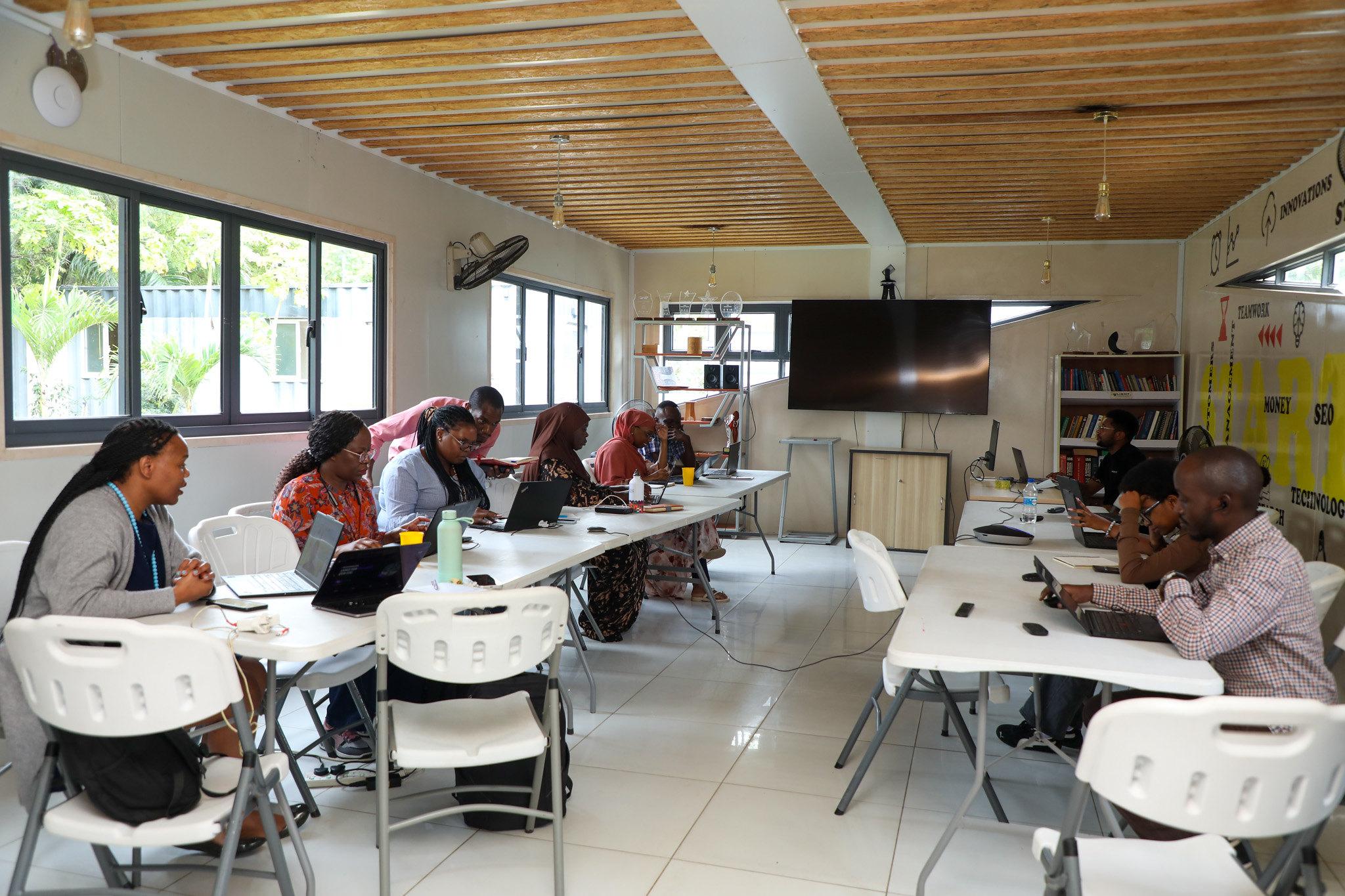
In disaster management, taking action before a crisis hits is only half the battle; the real challenge is coordination. Good intentions alone cannot protect communities from severe climate shocks. When extreme weather threatens, dozens of organizations scramble to help, often creating overlapping efforts, misaligned priorities, and scattered responses that leave crucial gaps unaddressed.
The Kenya National Anticipatory Action (KNAA) Hub, launched on Tuesday, September 29, addresses this coordination divide by acting as a central, tech-driven nerve center. Spearheaded by the Kenya Red Cross Society (KRCS), and National Disaster Operations Center (NDOC), the KNAA Hub marked a major step forward in digital innovation. The platform links real-time weather data directly with coordinated early action, ensuring that help reaches vulnerable communities before disaster strikes.
While the Kenya Anticipatory Action Roadmap 2024 - 2029 set the strategic blueprint for disaster management, putting it into action on the ground required a shared digital tool. The Technical Working Group on Anticipatory Action (TWG-AA) pointed out a clear problem: there was no single digital platform bringing together real-time information from all the different government offices and humanitarian organizations across Kenya.
Without one clear place to look, tracking who was doing what meant making countless phone calls and digging through separate reports. This led to duplicated efforts, wasted resources, and dangerous blind spots in areas that needed help most.
“An early warning without early action is just a broadcast of a tragedy to come,” said Jesse Ithai, a Data Management Officer at the National Disaster Operations Centre (NDOC) in Kenya.
The KNAA Hub turns that warning into clear action, putting into practice a simple strategy: Predict, Prepare, Protect.
At the heart of this system is the Hub’s live dashboard, built to answer the core "5W" questions: who is doing what, where, and for whom, along with when.
With the October-November-December (OND) 2026 short rains forecasted to bring above-normal rainfall, this digital system comes at a crucial time. Instead of relying on guesswork as floodwaters rise, the Hub gives disaster teams an immediate, clear view of what is happening across the entire country.
When weather monitors show rising water levels in flood-prone river basins, the platform tracks those thresholds in real time to trigger early alerts. At the same time, it maps out exactly where government units, UN agencies, and local NGOs are working. This immediately exposes any gaps and reveals underserved communities before relief supplies run out. By bringing intervention data and numbers into one live view, the Hub helps decision-makers direct aid where it is needed within hours rather than days.
By connecting these seven teams through one digital platform, the KNAA Hub moves the country away from just waiting to respond after damage occurs. It builds a modernized, transparent, and data-driven system where early warnings turn directly into saved lives and protected livelihoods.
Keep reading
Inside the Digital and Human Architecture of the Kenya Red Cross Society
The Kenya Red Cross Society is transforming humanitarian operations through digital systems that improve efficiency, strengthen data protection, and enhance emergency response. From upgrading enterprise resource planning and digitising procurement to enabling confidential case reporting and modernising volunteer management through the OneRC system, these innovations help streamline processes and mobilise skilled responders faster. At the heart of this transformation is a people-centred approach that uses technology to reduce administrative burdens, protect human dignity, and enable humanitarian teams to focus on saving lives and building community trust.
 EM
.png)
Building With, Not For: How the KRCS Digital Transformation and Innovation is Rewriting the Innovation Playbook
A three-day virtual peer learning event brought together the Kenya Red Cross Society, ICHA, IFRC, and partners to explore how digital transformation and innovation can strengthen humanitarian action. With support from the Swiss Red Cross, discussions highlighted community-centred design, youth-led innovation, the Humanitarian Coding Club, innovation labs, social entrepreneurship, and innovative financing. The event emphasised building with communities, sharing knowledge, learning from challenges, and developing sustainable, locally relevant solutions that strengthen community resilience and improve humanitarian service delivery.